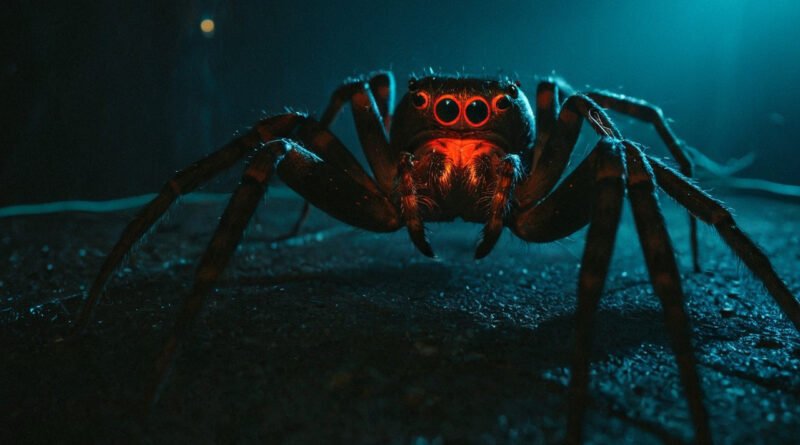
Australia Faces Panic Over Newly Found Super Spider


Australia is once again defending its reputation as the unofficial global headquarters of alarming wildlife after researchers confirmed the discovery of a so called Super Spider capable of growing up to four feet wide and, according to early reports, opening doors with what authorities describe as “troubling confidence”.
The species, provisionally named Megaaracnus domesticus, was first identified by a homeowner in rural Queensland who assumed the noise at his back door was a neighbour. Instead, he was greeted by what he described as “a coffee table with legs” attempting to let itself in.
Experts from the Queensland Museum say the spider’s newfound ability to manipulate door handles is likely the result of natural adaptation. “Australian wildlife has spent decades observing human behaviour,” explained senior arachnologist Dr Karen Lomas. “At some point they were bound to start picking up practical skills. This one simply chose doors before tax forms.”
Concerns escalated earlier this week when a blurry photograph emerged appearing to show one of the creatures perched on a shed roof. Although the image proved inconclusive, officials have refused to rule out the possibility that the species has developed wings. Dr Lomas cautioned the public against panic, stating that “until we have evidence, we cannot confirm whether these spiders are capable of flight or merely very determined climbers with a flair for dramatic silhouettes.”
Residents, however, appear less reassured. Social media has filled with accounts of unusual tapping on patio doors, missing pet food and one unverified claim that a spider was seen queueing politely outside a convenience store. Government officials have dismissed the latter as “unlikely, given the spider’s current lack of cash handling ability”.
The Australian Wildlife Service has advised citizens to remain calm, keep doors locked and avoid teaching the spider anything that could be considered an advanced skill. “We strongly discourage residents from showing the creature how to use keypads, latches or public transport,” stated a spokesperson. “We must avoid escalating the situation.”
Despite mounting public concern, researchers insist the species is not necessarily dangerous. “The spider seems curious rather than aggressive,” Dr Lomas noted. “Its attempts to enter homes may simply indicate an interest in human culture. Or possibly central heating.”
Field teams are now attempting to track and study the spider, though their efforts have been hindered by its surprising agility and apparent enjoyment of hiding behind objects specifically labelled ‘Do Not Look Here’.
Authorities expect to release a formal update once more data is collected, though residents have been warned that the spiders may become increasingly active as temperatures rise. In the meantime, Australians are encouraged to avoid panic buying, particularly of fly spray unless it is purchased in industrial quantities.