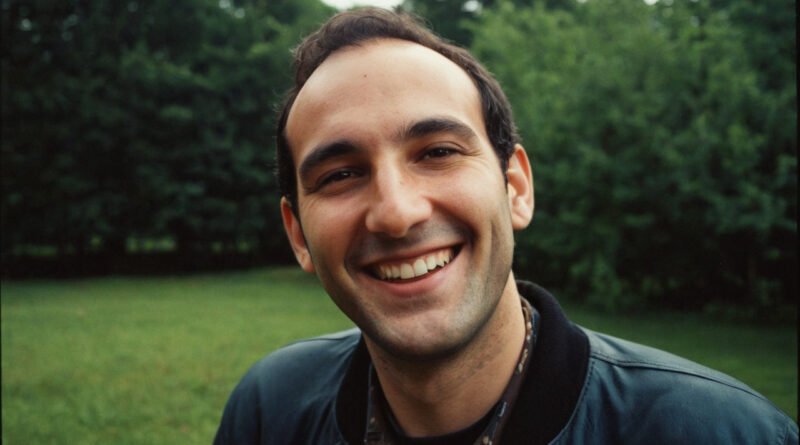
Man Finds Happiness After Turning Off Notifications


In what researchers are already calling “a landmark achievement in modern serenity,” a man from Portsmouth claims to have reached a state of true happiness after switching off every notification on his phone, tablet, laptop, smartwatch and, for reasons he has yet to explain, his microwave.
The man, 34 year old office worker Colin Havers, says the breakthrough occurred last Tuesday morning. According to Colin, he made the decision after his phone buzzed 19 times in seven minutes, all of which turned out to be discount codes he never asked for, alerts from apps he didn’t know he had, and a notification informing him that it was a “great time to revisit an old memory.”
“It suddenly hit me that I didn’t need any of it,” Colin said, appearing calm, rested and vaguely mythical, like someone who had just returned from a retreat in the mountains. “For years I thought happiness was about achieving things, building routines, setting goals. Turns out it was simply not knowing that someone liked a post I wrote four years ago.”
Friends at first suspected something was wrong when Colin stopped replying instantly to group chats. His best friend Mark described the incident as “deeply unsettling.”
“He read my message and didn’t respond for three hours,” Mark said. “I thought he was dead. But he said he’d just been drinking a cup of tea quietly. A whole cup. Without checking his phone once. It’s not natural.”
Co workers, too, have noticed a change. Colin reportedly now walks into the office without headphones, maintains eye contact during conversations, and once even paused to observe a pigeon for a full forty seconds. HR has asked him if everything is alright on three separate occasions.
Technology experts remain divided on whether Colin’s bliss is replicable. Dr. Emily Hargreaves, a behavioural tech specialist, said, “In theory anyone can turn off their notifications, but practically speaking the withdrawal symptoms are significant. The average person experiences phantom vibrations within minutes. Some even develop the temporary belief that their phone is calling their name.”
Colin, however, insists he has no plans to return to his former lifestyle. When asked if he misses anything about being constantly connected, he replied, “What is there to miss? If something is truly important, someone will walk to my house and knock on the door. And if they don’t, it wasn’t important.”
He has since gone on to disable the final remaining alert on his devices: the low battery warning.
“If it dies, it dies,” he said with the peaceful certainty of a man who has transcended mortal concerns.