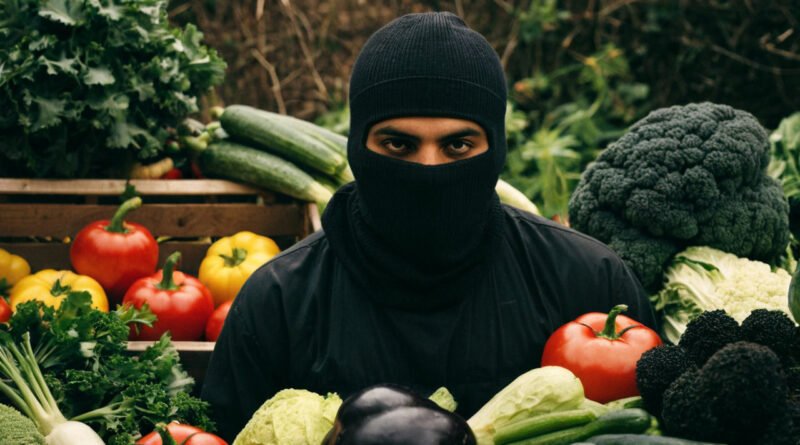
Government Floats Vegan Terror Classification


A leaked policy discussion has revealed a proposal within government circles to consider classifying organised vegan activism as a domestic security concern. Officials insist the idea is exploratory and theoretical, but the document has already triggered widespread debate, confusion, and several heated arguments at lunch.
According to briefing notes seen by The Daily Edition, the proposal focuses not on individual dietary choices but on what it calls coordinated behavioural disruption. Authors argue that certain forms of vegan advocacy pose a risk to social cohesion by repeatedly challenging established meal structures, undermining communal barbecues, and introducing unsolicited facts about oat milk into unrelated conversations.
The document lists several indicators of concern. These include arriving unannounced with homemade nut loaf, asking if a restaurant can adapt its entire menu at peak hours, and referring to cheese as a concept rather than a food. One section warns that the phrase “have you ever watched a documentary” often precedes prolonged discomfort.
A senior official familiar with the discussions said the proposal was born out of necessity. “We are not saying vegans are dangerous,” they explained. “We are saying that when a single dinner party can be derailed for forty minutes by the ethics of honey, it becomes a matter of national resilience.”
Critics were quick to respond. A spokesperson for the National Vegan Alliance described the idea as absurd and deeply insulting. “We do not recruit, radicalise, or issue ultimatums,” they said. “We share recipes, complain about limited options, and occasionally sigh loudly at menus. That is not terrorism.” They added that the movement’s most aggressive action to date remains leaving pointed online reviews.
Public reaction has been divided. Some welcomed the proposal as overdue recognition of what they describe as social fatigue. One pub regular in Kent said, “I just want to eat a burger without being asked if I know where it came from.” Others expressed concern that the policy trivialises real security threats. “If dietary debates qualify as extremism,” one academic noted, “then most households are already compromised.”
The document also outlines possible responses should the classification move forward. These include mediation training for hosts, designated quiet zones for plant-based discussions, and compulsory exposure to normal meals for all parties involved. There is no suggestion of arrests, bans, or enforcement measures, only monitoring and guidance.
Officials stressed that the proposal remains under review and may never advance beyond discussion. “This is about managing social friction,” one source said. “Not criminalising chickpeas.”
For now, vegans remain free to shop, dine, and explain nutritional yeast at length. The government, meanwhile, faces questions about whether it has bigger things to worry about than what people are having for dinner.