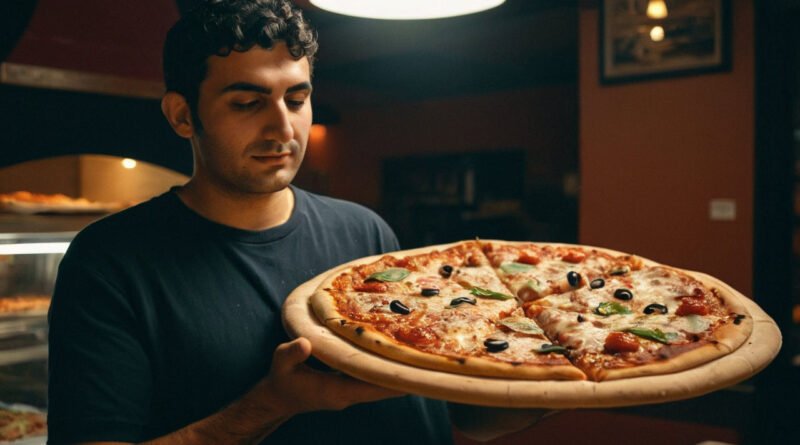
Italian Town Calls Pineapple Pizza a Hate Crime


A small town in southern Italy has proposed an unusual ordinance that would classify American-style pizzerias serving pineapple on pizza as a hate crime against local culture. The proposal, submitted to the town council this week, has ignited passionate debate among residents, restaurateurs, and people who insist fruit belongs wherever it feels confident.
The town, best known for its narrow streets and generational pizza ovens, says the measure is designed to protect culinary heritage from what officials describe as deliberate provocation. Council documents state that the addition of pineapple to pizza represents “an intentional act of disrespect” rather than a matter of taste.
Mayor Luca Ferraro addressed the issue during a public meeting, speaking calmly while standing beneath a framed photo of his grandmother kneading dough. “We are not opposed to innovation,” he said. “We have accepted square pizza, long pizza, even pizza with sausage that is slightly too spicy. Pineapple is different. Pineapple knows what it is doing.”
The proposed rule would not ban American-style pizzerias outright, but it would require them to operate under strict conditions. Menus would need to carry visible warnings, staff would be required to verbally confirm the topping choice twice, and any use of the word authentic would be prohibited. Repeat offenders could face fines, mandatory food history classes, or community service involving tomato sorting.
Supporters argue the move is overdue. Local baker and lifelong resident Maria Conti said she feels personally targeted by pineapple pizza. “It is not food,” she explained. “It is a message. When you put fruit on pizza, you are telling us that our nonna cried for nothing.”
Opponents say the proposal goes too far. An American-owned restaurant that recently opened nearby defended its menu as inclusive. “We offer choice,” said the owner. “Some people like sweet and savoury together. We also sell ranch dressing. This is freedom.”
Tourists have reacted with a mix of confusion and concern. One visitor from Ohio said he thought the ordinance was a joke until he saw the seriousness of the meeting. “Back home, this would just start an argument,” he said. “Here, it feels like a trial.”
Legal experts note that the proposal is largely symbolic and unlikely to be enforced beyond local fines. Still, they acknowledge its cultural weight. “Food laws are rarely about food,” said one academic. “They are about identity.”
The council is expected to vote next month. In the meantime, residents continue their daily routines, making dough, simmering sauce, and quietly watching tourists order pizza with fear in their eyes.